Explore our handpicked selection of featured properties. Each listing offers a glimpse into exceptional homes and investments available through Estatein. Click "View Details" for more information.

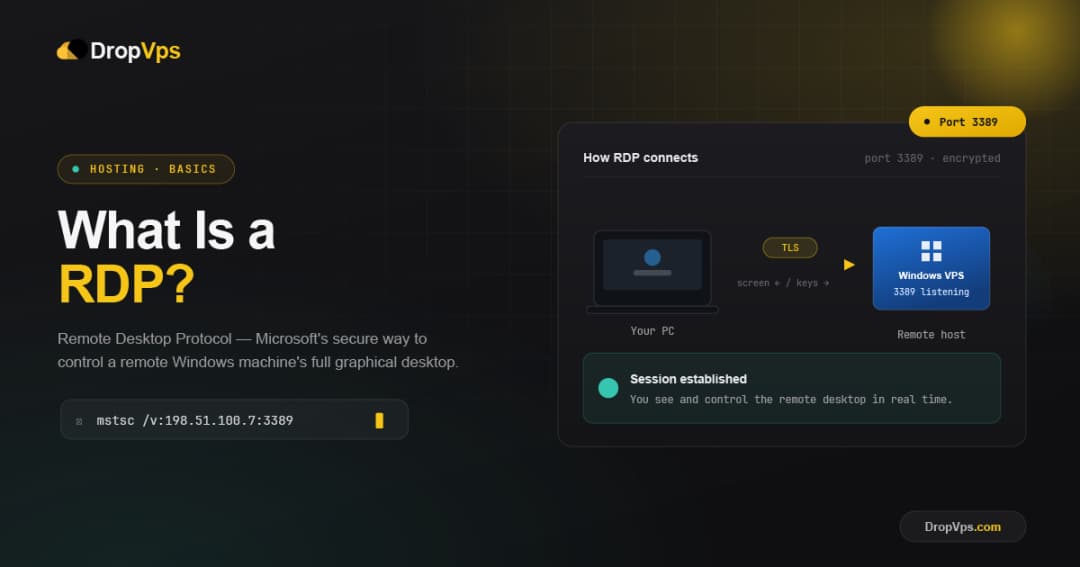
Remote Desktop allows administrators to connect to a Windows Server remotely using the Remote Desktop Protocol (RDP). It is commonly used to manage Windows VPS servers, install software, configure services, and perform remote administration tasks.

PHP is a widely used server-side scripting language for websites, web applications, and backend services. Installing the latest PHP version on Ubuntu provides better performance, security updates, and compatibility with modern applications.

cURL is a command-line tool used to transfer data between servers using protocols such as HTTP, HTTPS, FTP, and SFTP. It is commonly used for API requests, downloading files, testing endpoints, and server troubleshooting.

Disabling direct root login is one of the most important security steps after deploying an Ubuntu server. It helps reduce brute-force attacks and prevents unauthorized access attempts targeting the root account.

UFW (Uncomplicated Firewall) allows Ubuntu administrators to manage firewall rules using simple commands. Opening specific ports is necessary for services such as websites, SSH access, databases, and game servers.

UFW (Uncomplicated Firewall) is the default firewall management tool on Ubuntu. It provides a simple way to secure a server by allowing or blocking incoming network traffic.

Swap space on Ubuntu helps prevent memory-related crashes by allowing the server to temporarily move inactive data from RAM to disk. On smaller VPS plans, adding swap can improve stability during traffic spikes or heavy background tasks.

Automated backups are essential to protect your data and ensure quick recovery in case of accidental deletion, server failure, or malware attacks

Monitoring your VPS is essential to ensure your server runs smoothly, detect issues early, and maintain uptime. A basic monitoring system tracks CPU, memory, disk usage, network traffic, and system load.