


What is a VPS Runbook
A VPS runbook is a documented, step-by-step guide that outlines exactly how to manage, maintain, and troubleshoot a specific VPS.
Read More
Network and security specialist focused on VPN protocols, proxies and server hardening. Cooper spends his days breaking and fixing tunneling setups (WireGuard, V2Ray, Xray) so readers can follow battle-tested configurations instead of guesswork.
585 posts
A VPS runbook is a documented, step-by-step guide that outlines exactly how to manage, maintain, and troubleshoot a specific VPS.
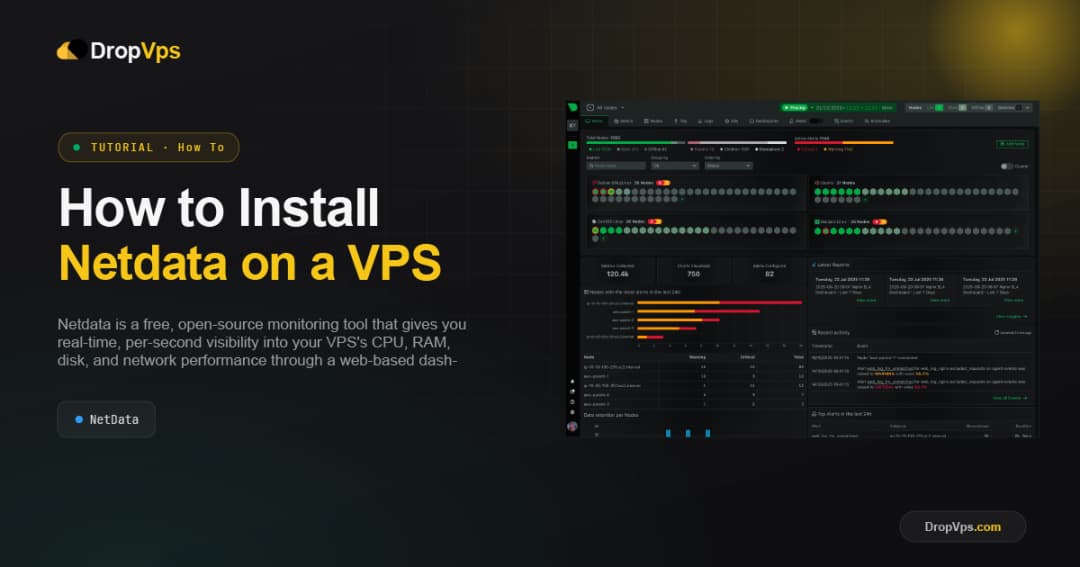
Netdata is a free, open-source monitoring tool that gives you real-time, per-second visibility into your VPS's CPU, RAM, disk, and network performance through a web-based dashboard.
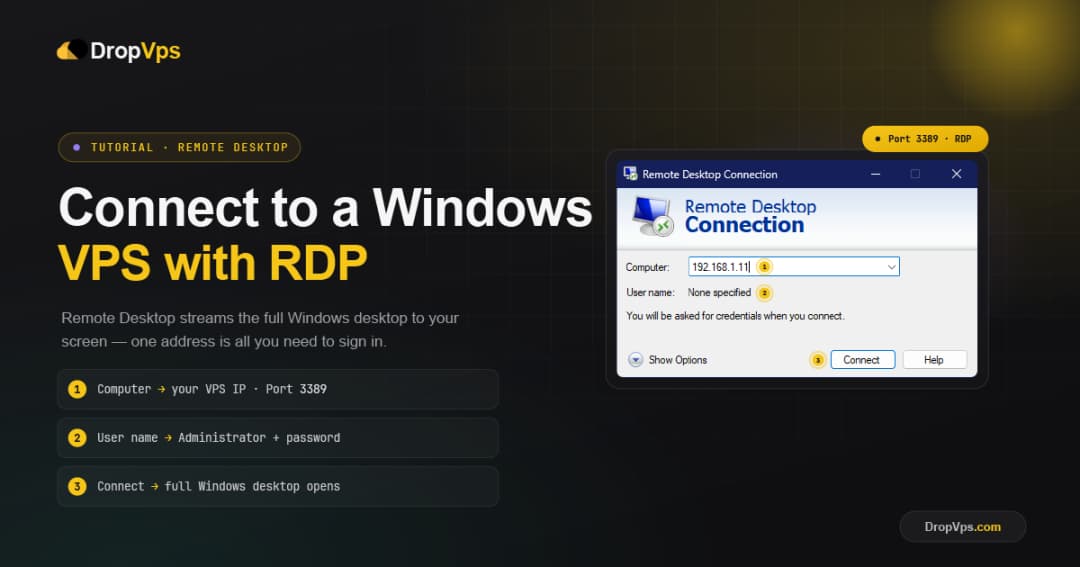
Remote Desktop Connection (RDC) is a built-in Windows application that lets you connect to and control a Windows VPS remotely, using the Remote Desktop Protocol (RDP). No extra software is required, since RDC comes pre-installed on every Windows computer.
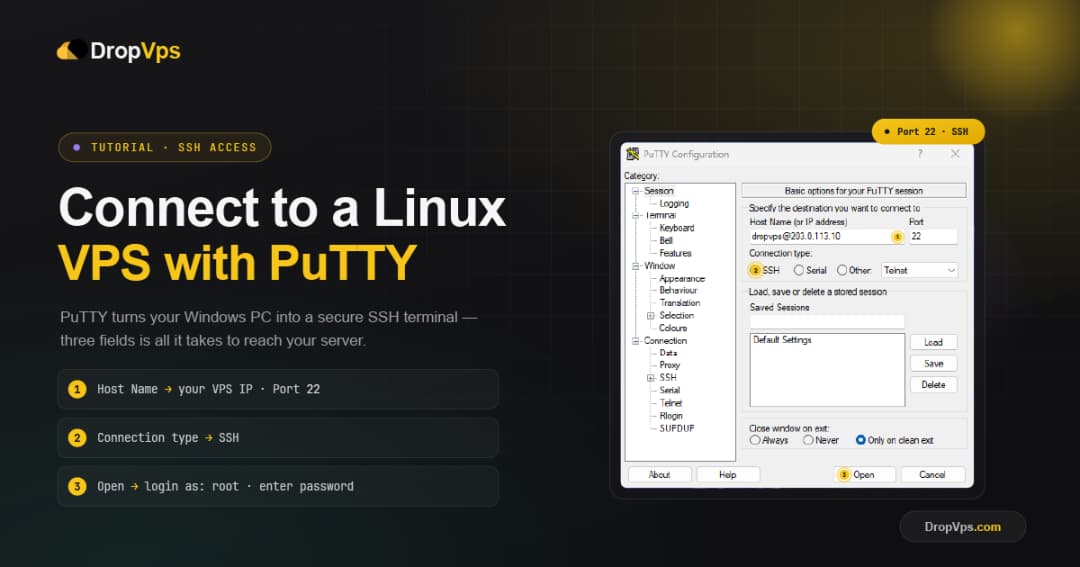
PuTTY is a free SSH client for Windows that lets you connect to and manage a Linux VPS remotely through a command-line terminal. This guide walks through downloading PuTTY, connecting to your server, and logging in for the first time.
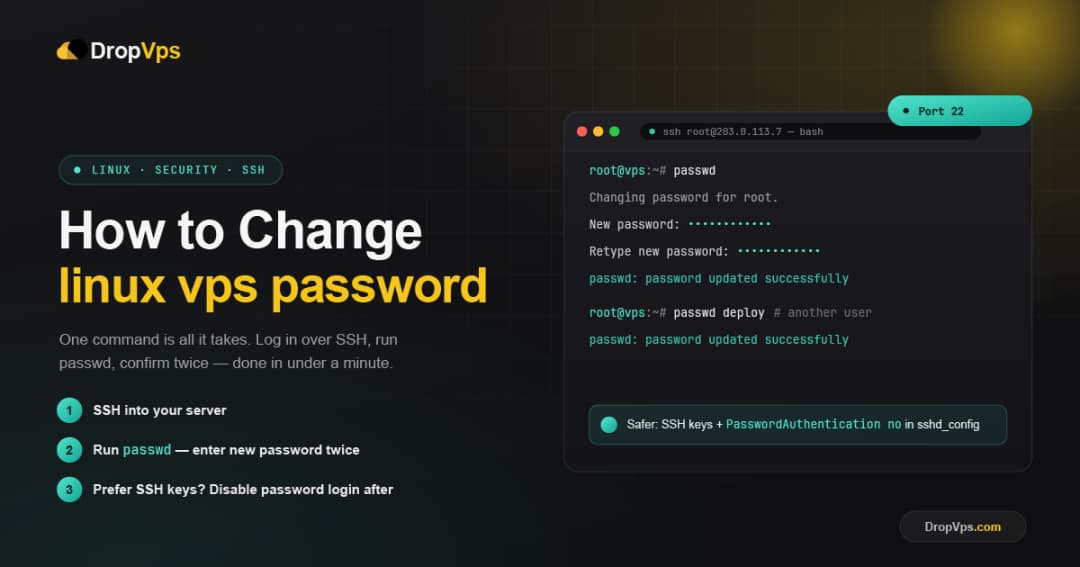
To change a Linux VPS password, connect to the server over SSH and run the passwd command. Run passwd on its own to change your own account, sudo passwd username to change another user, or sudo passwd root to change the root password. Enter and confirm the new password when prompted — the message passwd: password updated successfully confirms the change, and no reboot is required.
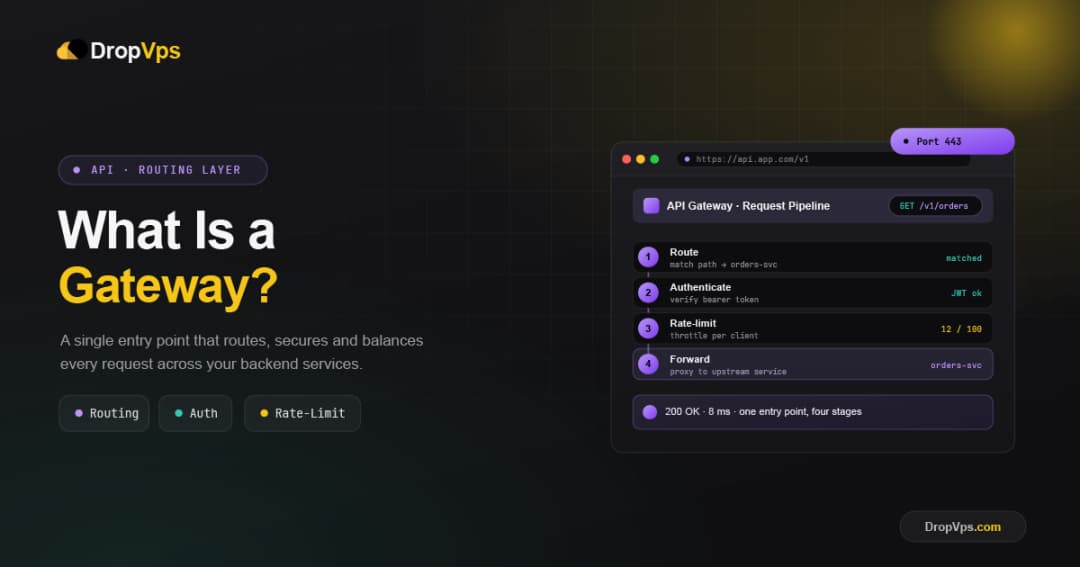
A default gateway is the IP address a device uses to send traffic to any network outside its own local subnet. In most home and office networks, this is the router connecting the local network to the internet.
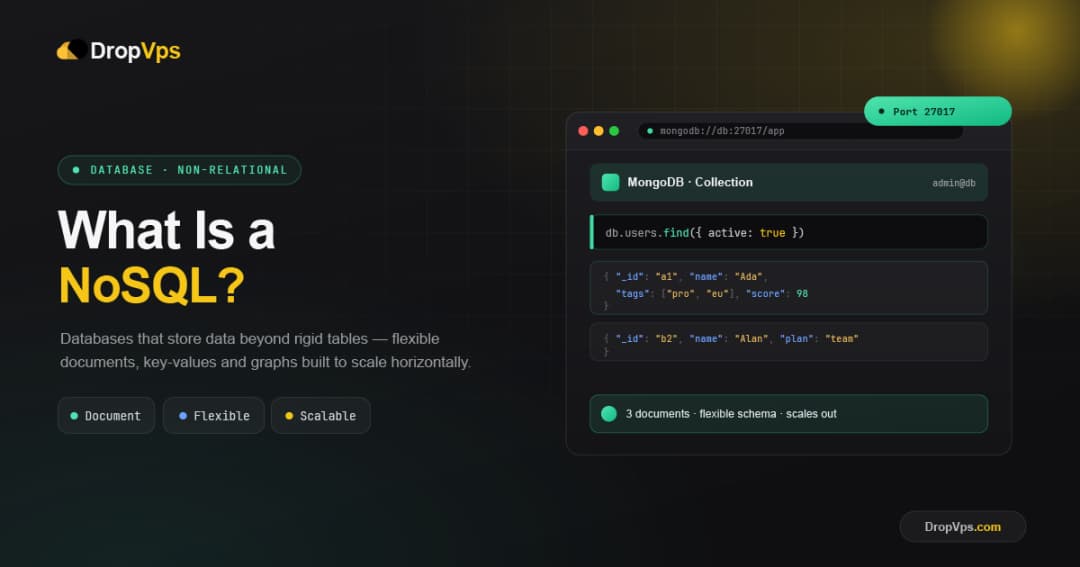
NoSQL stands for "Not only SQL." It refers to a category of databases that store and manage data without relying on the rigid, table-based structure used by traditional relational databases.
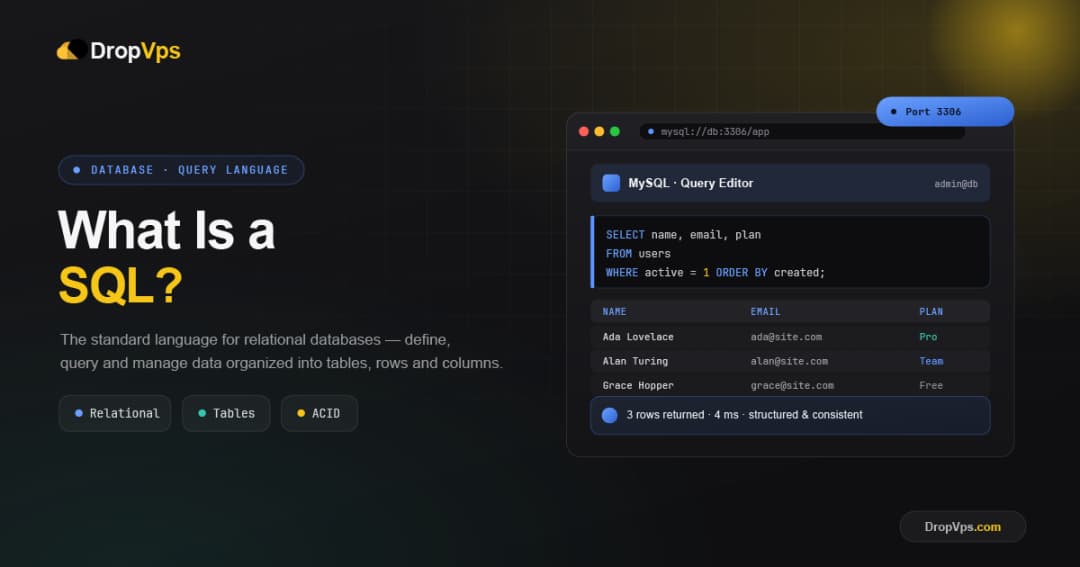
SQL stands for Structured Query Language. It is a standardized programming language used to create, read, update, and delete data stored in a relational database management system (RDBMS).
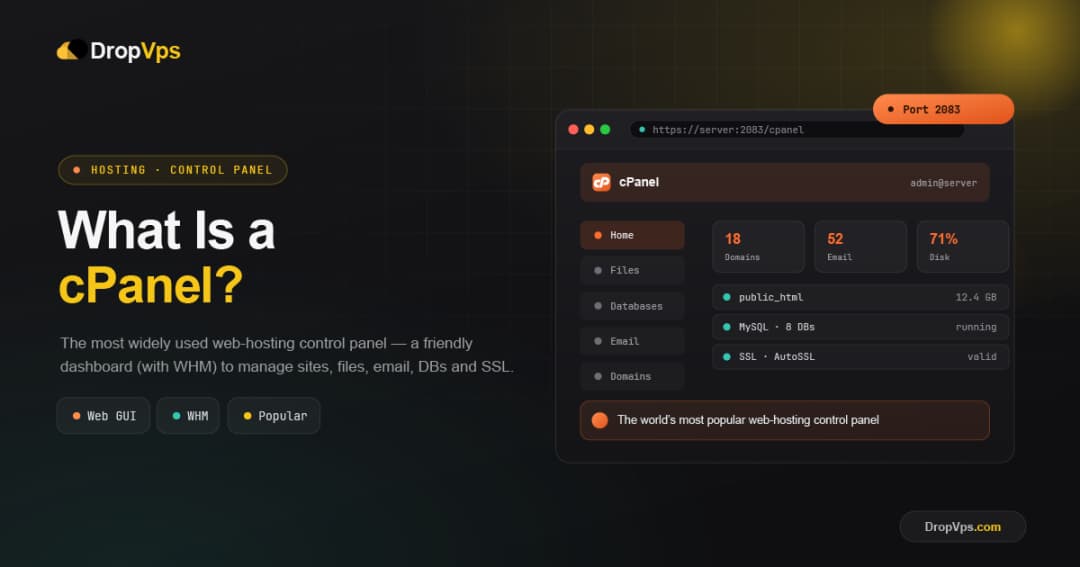
cPanel is a web-based hosting control panel that lets you manage a website, domains, email accounts, databases, and files through a graphical interface, instead of using the command line.